Free Trial, Lifetime Regret: How to Sign Up for Anything Without Getting Trapped
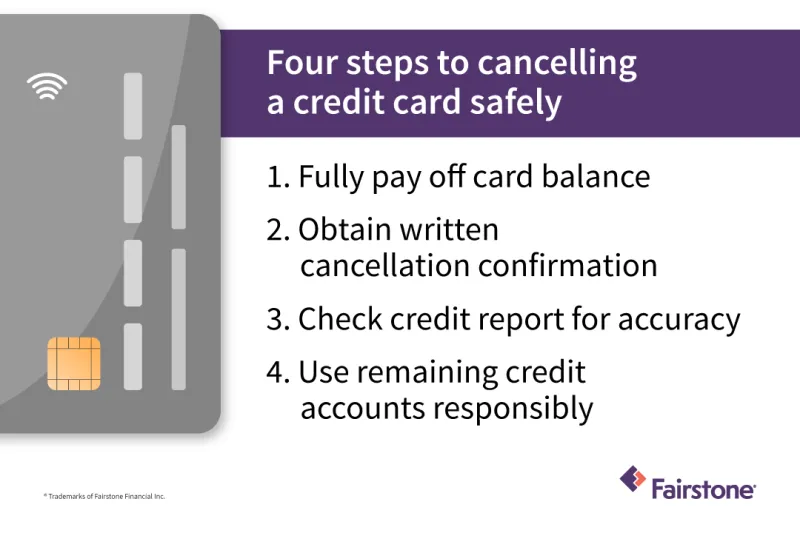
Photo: credit card subscription cancellation laptop frustration, via www.fairstone.ca
You've been there. You sign up for a free trial, forget to cancel, and three months later you're staring at a credit card statement wondering why you've been paying $14.99 a month for a meditation app you opened exactly once. By the time you track down the cancellation page, you've spent 45 minutes on hold with customer support, been offered three different discount tiers to stay, and still aren't sure if the cancellation actually went through.
This isn't accidental. It's a business strategy — and your email address is one of the main tools companies use to make it work.
The Subscription Economy Is Rigged Against You
The subscription model has taken over American consumer culture. Streaming platforms, fitness apps, software tools, news sites, meal kit services, beauty boxes — nearly everything that used to be a one-time purchase is now a recurring charge. The market for subscription services in the US is worth hundreds of billions of dollars annually, and a significant portion of that revenue comes from one source: inertia.
Companies know that most people won't cancel even when they're not using a service. They design their products around this. There's even a term for it in the industry — "passive churn prevention" — which is a polite way of saying "make it annoying enough to leave that most people just don't bother."
The tactics are well-documented:
- Obscured cancellation paths — the cancel button isn't in your account settings, it's buried three menus deep or requires a phone call
- Retention flows — before you can cancel, you're walked through multiple screens offering discounts, pauses, or guilt-trip messaging ("Are you sure? You'll lose all your data.")
- Email re-engagement campaigns — once you've signed up, your inbox becomes a marketing channel the company owns indefinitely
- Auto-renewal defaults — free trials flip to paid subscriptions automatically unless you take explicit action to stop them
The Federal Trade Commission has been cracking down on some of these practices, but enforcement is slow and the tactics keep evolving. In the meantime, consumers need their own countermeasures.
Why Your Email Address Is the Linchpin
Here's something worth understanding: your email address isn't just a login credential. For subscription companies, it's a long-term marketing asset.
When you hand over your real email to sign up for a free trial, you're not just creating an account. You're giving that company permission to contact you indefinitely — or at least until you unsubscribe from every individual email list they've added you to. And even if you cancel the subscription, the marketing emails keep coming. Reactivation campaigns. "We miss you" messages. Black Friday deals. Referral offers.
Your real email also gets you added to advertising audiences. Companies upload customer email lists to Facebook, Google, and other ad platforms to run targeted campaigns. Even after you cancel, you may find yourself seeing ads for the service you just left, following you around the web.
A disposable email address severs that connection entirely.
The Disposable Email Free Trial Playbook
Using a temporary email from FakeMail Online when you start a free trial is one of the most practical privacy moves you can make. Here's how to do it effectively.
Step 1: Generate your disposable address before you visit the sign-up page. Don't use your real email "just for the sign-up" and plan to change it later. Companies often lock email addresses at account creation or make them difficult to update. Start with the throwaway.
Step 2: Complete the sign-up using the disposable address. Most free trial sign-ups only need an email for account verification. Use your temporary address for the confirmation email, verify your account, and you're in.
Step 3: Set a calendar reminder to cancel before the trial ends. This is the step most people skip. Set the reminder for two or three days before the trial expires — not on the last day. That buffer gives you time to navigate whatever cancellation obstacle course the company has built.
Step 4: Cancel before the charge hits. Go through the cancellation flow. Screenshot or save any confirmation you receive. If the company makes it genuinely impossible to cancel online, dispute the charge with your credit card company — you have more leverage than you think.
Step 5: Let the disposable email expire. Once you've canceled, there's nothing tying you to that account. The marketing emails go nowhere. The retargeting list has a dead address on it. You're clean.
When This Strategy Is Most Useful
Not every subscription warrants the disposable email treatment. Here's a quick framework:
Use a disposable email when:
- You're genuinely unsure whether you'll keep the service after the trial
- The platform has a reputation for aggressive email marketing
- You're signing up primarily to access a single piece of content or feature
- The service requires an email but you don't anticipate needing account recovery
Stick with your real email when:
- You're confident you'll be a long-term customer and need reliable account access
- The service is tied to financial transactions or legal agreements that require a stable contact address
- You need customer support access and want a consistent communication thread
The goal isn't to avoid paying for services you actually use. It's to protect yourself during the exploratory phase — before you've decided a subscription is worth your money and your inbox space.
A Note on Virtual Credit Cards
Disposable emails pair naturally with virtual credit card numbers, which several US banks and fintech services now offer. Tools like Privacy.com let you generate single-use or merchant-locked card numbers for online sign-ups. Combined with a disposable email, you get a sign-up that's genuinely isolated from your financial identity — the company can't charge you after the trial ends because the card number won't work, and they can't reach you because the email is gone.
It's not about being deceptive. It's about having an exit that actually works.
Take Back Control of Your Subscriptions
The subscription trap is real, and it's costing American consumers billions of dollars a year in forgotten charges and manipulative retention tactics. But the tools to fight back are simple and genuinely accessible.
A disposable email address takes about ten seconds to generate. That ten seconds can save you from months of unwanted marketing, a cluttered inbox, and the particular frustration of paying for something you don't use because canceling it felt like too much work.
Sign up freely. Just don't sign away your email address permanently in the process.