Swipe Right on Privacy: What Dating Apps Don't Tell You About Your Data
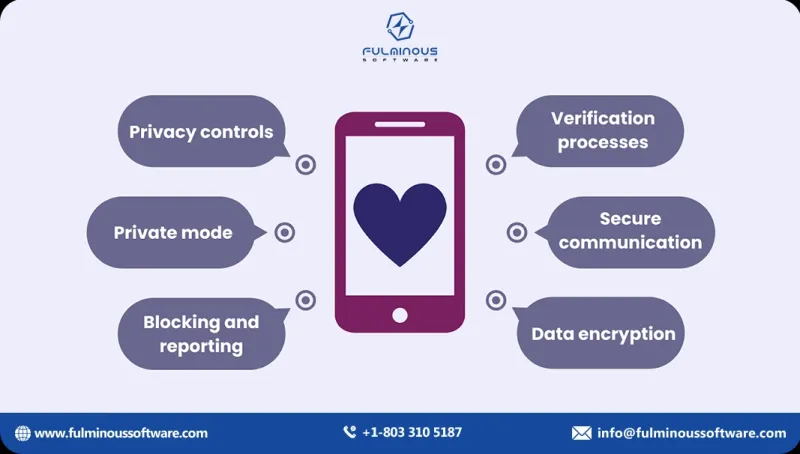
Photo: smartphone dating app profile privacy security, via fulminoussoftware.com
Online dating has become as American as grabbing a coffee on a first date. Tens of millions of people use apps like Tinder, Bumble, Hinge, and Match every single month, hoping to find a connection. What most of them don't realize is that while they're browsing profiles, those platforms are browsing them — collecting, packaging, and monetizing personal data in ways that would make most users deeply uncomfortable.
Your real email address is one of the first things you hand over when you sign up. And once it's in their system, it rarely stays there.
Dating Apps Are Data Companies First, Matchmakers Second
Let's be honest about the business model. Dating apps are largely free to download because the product isn't the app — it's you. More specifically, it's everything the app can learn about you: your age, location, sexual preferences, relationship goals, the times you're most active, how many people you message, and yes, the email address tied to your broader digital identity.
Match Group, which owns Tinder, Hinge, Match.com, OkCupid, and several other platforms, has built one of the most comprehensive data networks in consumer tech. A 2023 study by the Mozilla Foundation rated most major dating apps poorly on privacy, with several earning a "Privacy Not Included" warning. The study found that many platforms share data with third-party advertisers, use that data for targeted marketing, and retain it long after users delete their accounts.
OkCupid, for instance, has faced scrutiny for sharing detailed user data — including answers to deeply personal compatibility questions — with outside marketing partners. Grindr was fined $7 million by Norwegian regulators for unlawfully sharing user data with advertisers. These aren't edge cases. They're symptoms of an industry-wide approach to monetization.
What Happens to Your Email Specifically
Your email address is more valuable than it might seem. It's a persistent identifier — a string of characters that follows you across the internet and links your dating profile to your Amazon account, your Gmail inbox, your social media presence, and potentially your real name and home address.
When a dating app collects your email, they can:
- Cross-reference it with data broker profiles to build a more complete picture of who you are
- Share it with advertising partners who use it for targeted campaigns across other platforms
- Use it for retargeting — ever noticed ads for a dating app following you around after you deleted it? That's your email at work
- Sell it outright if the company is acquired, goes bankrupt, or simply decides to monetize its user list
And here's the kicker: even if you delete your dating profile, many platforms explicitly state in their terms of service that they retain your data — including your email — indefinitely.
The Harassment Problem Nobody Talks About Enough
Beyond corporate data collection, there's a more immediate, human risk to using your real email on dating apps: harassment.
Online dating exposes users to strangers, and not all of them take rejection graciously. When someone has your real email address — or can connect your dating profile to it — they have a thread they can pull. A real email can be used to find your social media accounts, your LinkedIn, sometimes even your home address. Stalking and harassment cases that originate from dating apps are more common than the platforms like to publicize.
Using a disposable email address creates a clean break between your dating persona and your real identity. If things go sideways with a match, they have no way to track you down through a throwaway address that you can simply abandon.
How Disposable Emails Fit Into Your Dating Strategy
Using a temporary email from a service like FakeMail Online when you sign up for a dating app isn't paranoid — it's practical. Here's how to think about it:
For casual browsing or trying a new platform: Absolutely use a disposable email. You're not committed to the app, and there's no reason to hand over your real address before you've decided whether the platform is worth your time. Try it out, see if the user base suits you, and move on without leaving a data trail if it doesn't.
For free trials of premium features: Many dating apps dangle premium subscriptions — unlimited swipes, read receipts, profile boosts — with free trial offers. These trials almost always require a credit card and an email address. A disposable email prevents the follow-up marketing blitz that typically starts the moment your trial expires.
For platforms you're less familiar with: Stick to a disposable address until you've vetted a platform's privacy practices. Smaller or newer dating apps often have weaker data security and more aggressive monetization.
When you do decide a platform is worth a longer-term commitment — and you're ready to use a verified email for account recovery purposes — you can always update your address. But starting anonymous gives you the control.
A Few Practical Tips
- Check the privacy policy before signing up. Look specifically for language about third-party data sharing and data retention after account deletion. If it's buried in legalese, that's usually a bad sign.
- Don't connect your dating profile to social media accounts. Most apps prompt you to sign in with Facebook or Instagram. Resist. That connection links your dating activity to your broader digital footprint.
- Use a unique password for every dating account. Dating app databases get breached. If your credentials are the same across platforms, one breach becomes many.
- Treat your disposable email as a first line of defense, not your only one. Pair it with a VPN if you're especially privacy-conscious, and be thoughtful about what personal details you include in your profile.
Your Love Life Shouldn't Cost You Your Privacy
There's nothing wrong with online dating. For millions of Americans, it's become the primary way people meet partners — and it genuinely works. But the romantic optimism that drives people to these platforms can make it easy to overlook what you're trading away in the process.
Your real email address is a key that unlocks a lot of doors you'd probably prefer stayed closed. Dating apps don't need it to show you matches. They need it for their own business purposes. A disposable email lets you participate in online dating on your terms — without turning your inbox into a spam festival or giving data brokers another data point to sell.
Swipe freely. Just don't hand over the keys to your digital life in the process.