You Subscribed to 47 Newsletters. You Read Maybe Three. Here's How to Fix That.
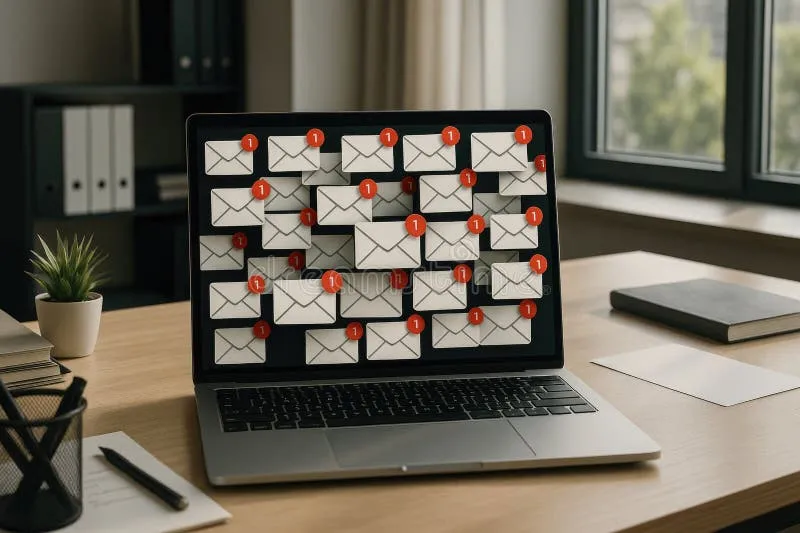
Photo: overflowing email inbox on laptop screen cluttered notifications, via thumbs.dreamstime.com
Somewhere between that Substack you discovered at 11pm and the cooking newsletter you signed up for before Thanksgiving, your inbox quietly became a graveyard. Sound familiar? You're not disorganized — you've been played.
Newsletters aren't just content delivery systems. They're precision-engineered funnels designed to collect your attention, your data, and eventually your money. And the email address you handed over on your way in? That's the price of admission — whether you knew it or not.
Why Newsletters Are Built to Be Irresistible
Publishers and marketers have spent years studying what makes people subscribe. The answer is almost always the same: urgency, exclusivity, and a free thing. A discount code. A PDF guide. A "members-only" first look. These aren't generous gifts — they're hooks.
Once you're subscribed, the real game begins. Open rates, click-through rates, scroll depth — modern email platforms like Mailchimp, ConvertKit, and Klaviyo track all of it. Every time you open a newsletter, a tiny invisible pixel fires and reports back to the sender. They know when you opened it, what device you used, roughly where you were located, and whether you clicked anything.
That data gets used to segment you. Are you an "engaged" subscriber? You'll get upsell sequences. Are you going cold? You'll get a re-engagement campaign. Either way, your behavior is being monetized — and your email address is sitting at the center of that profile.
The "Unsubscribe" Button Isn't Always Your Friend
Here's something most people don't think about: clicking unsubscribe isn't always a clean exit. In some cases — especially with shadier marketing lists — hitting that link confirms your address is active and monitored. That information can be valuable. It tells the sender (or whoever they've sold your data to) that a real human is on the other end.
Legitimate senders, especially those complying with CAN-SPAM rules in the US, are legally required to honor unsubscribe requests within 10 business days. But "legitimate" covers a lot of ground. The newsletter from a major media company? Probably fine. The one from that obscure SaaS tool you tried once? Less certain.
And even when unsubscribes work perfectly, your email address often stays in their database — just marked inactive. It can still show up in data exports, third-party integrations, or if the company gets acquired.
A Smarter Way to Subscribe to Anything
The fix is simpler than you might expect: stop using your real email address for newsletter signups.
A disposable email address — the kind you can spin up in seconds at a site like FakeMail Online — lets you subscribe to anything without touching your primary inbox. You get the content. You test whether it's actually worth reading. And if it turns out to be garbage, you just stop checking that address. No unsubscribe dance. No data trail. No inbox noise.
Here's a practical framework for making this work:
Step 1: Create a disposable address before you subscribe. Any time you're about to hand your email to a newsletter — even one you're genuinely excited about — use a temp address first. Think of it as a trial period for your inbox.
Step 2: Give it two to four weeks. Actually read what shows up. Is the content good? Does the send frequency feel reasonable, or are they emailing you every 36 hours with "urgent" subject lines? This is your evaluation window.
Step 3: Decide: keep or kill. If the newsletter earns a permanent spot in your life, you can re-subscribe with your real address and let the temp one expire. If it doesn't? Let the disposable address die quietly. The sender never gets a bounce, never gets a complaint, and never gets confirmation that your real address exists.
Step 4: Protect the newsletters you love. For the handful of newsletters you genuinely read — the ones that make your morning better or actually teach you something — use your real email. They've earned it. The key is being selective, and disposable addresses give you the freedom to be ruthless about that selection process.
The Freebies Problem
A quick word about lead magnets — those free downloads, discount codes, and "exclusive guides" that newsletters use to bait signups. They work because, well, free stuff is appealing. But here's the math: you're not getting something for nothing. You're trading your email address (and all the future marketing access that comes with it) for a PDF.
With a disposable address, that trade suddenly looks a lot better. Grab the freebie, get the discount code, download the guide — and then let the temp address handle whatever comes next. If the content is great and the follow-up emails are worth reading, great. If they immediately blast you with three sales sequences in a week, you've lost nothing.
Reclaiming Your Inbox Isn't About Being Antisocial
Some people feel a little guilty about this approach, like they're cheating the system or being unfair to the writers they enjoy. But think about it differently: a newsletter that delivers real value will earn your real address. Using a disposable email to vet subscriptions isn't cynical — it's just smart consumer behavior in an era where your attention and your data are genuinely valuable commodities.
Your inbox should be a curated space that works for you, not a revolving door of marketing sequences you never asked to be inside. Disposable emails are how you build that space intentionally, one subscription at a time.
Start with the next newsletter you're tempted to sign up for. Use a temp address. See what happens. Chances are, you'll never go back to handing out your real email without thinking twice.