The Job Hunt Privacy Problem Nobody Warns You About
Photo: Federal Bureau of Investigation (FBI), Public domain, via Wikimedia Commons
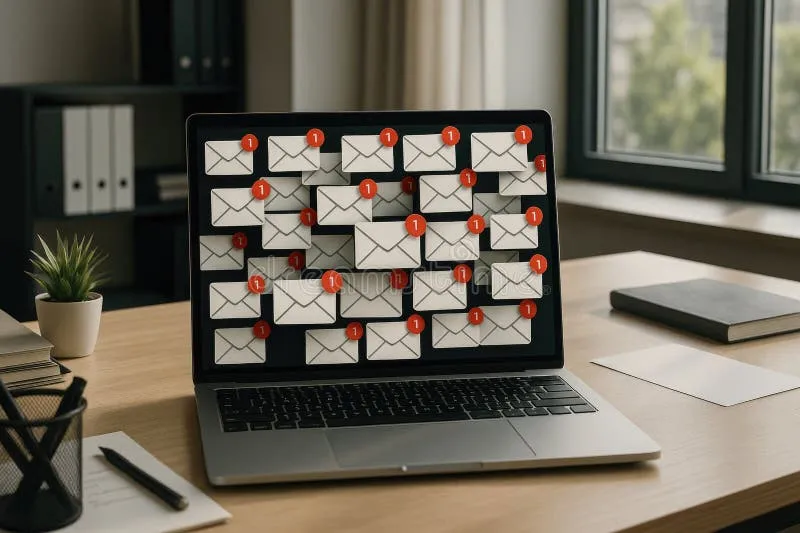
Searching for a new job is stressful enough without your inbox turning into a wasteland. But ask anyone who's posted their resume on a major job board and they'll tell you the same story: within days, sometimes hours, the messages start flooding in. Recruiters you've never contacted. Staffing agencies pitching roles you're wildly unqualified for. And somehow — weirdly, unsettlingly — ads on your social media that seem to know you're looking.
This isn't bad luck. It's the predictable result of handing your real email address to platforms and companies that treat job seeker data as a product.
How Job Boards Actually Make Money
Here's something most candidates don't think about: the big job platforms — Indeed, ZipRecruiter, LinkedIn, Monster — are not primarily in the business of helping you find work. They're in the business of selling access to candidates. Employers and recruiters pay to contact you, to download your resume, and in some cases to access aggregated data about job seeker behavior and trends.
That model means your email address, your skills, your location, and your employment history are all assets on these platforms. When you upload a resume and create an account, you're populating a database that gets queried constantly.
"Most job seekers treat their resume like a business card — they hand it out freely without thinking about where it ends up," says Marcus Reilly, a cybersecurity consultant based in Austin who advises professionals on digital footprint management. "But every job board that has your real email address is a potential leak point. Data breaches happen. Scraping happens. And once your address is out there, it's very hard to walk back."
Reilly's advice to his clients is straightforward: treat a job search like any other situation where you're handing personal information to strangers. Because that's exactly what it is.
The Recruiter Spam Pipeline
Even without a data breach, the recruiter spam problem is real and relentless. When you post a resume on a public job board, your contact information is often visible to any recruiter who pays for a subscription. That list of subscribers includes legitimate headhunters, sure — but also staffing mills, overseas agencies, and automated outreach systems that blast thousands of candidates a day with generic pitches.
Jennifer Kowalski, a UX designer in Chicago, learned this the hard way. "I posted my resume on Indeed in 2022 when I was exploring options," she says. "Within a week I had so many recruiter emails that I almost missed a message from an actual company I'd applied to. I ended up having to create a filter just to manage it. Two years later, I still get messages on that address from recruiters for jobs I'm not remotely qualified for."
That's the thing about recruiter databases — once you're in them, you tend to stay in them. Your address gets passed around, sold to other agencies, added to CRM systems. The original context (you were job hunting in 2022) becomes irrelevant.
When Companies Have Questionable Data Practices
There's also the less-discussed issue of what happens when you apply directly to a company. Large enterprises typically route applications through an Applicant Tracking System (ATS) — software platforms like Workday, Greenhouse, or iCIMS. These systems store your personal information, sometimes indefinitely, and their privacy policies vary widely.
Some companies are transparent about how long they retain applicant data and who has access to it. Others are vague at best. And if a company gets acquired, goes through a data breach, or simply has weak internal security practices, your application materials — including your email address — can end up in unexpected places.
For roles at companies you're less familiar with, or for gig platforms and contract work marketplaces where data practices are notoriously murky, using a disposable email address is a reasonable precaution.
A Practical Playbook for Job Search Email Privacy
The good news is that you don't need to choose between protecting your privacy and conducting an effective job search. You just need to be strategic about which email address you use where.
Step 1: Keep Your Real Email Off the Big Job Boards
When creating accounts on Indeed, ZipRecruiter, Monster, or similar platforms, use a dedicated temporary address. You'll still receive notifications and recruiter messages — you just won't be polluting your real inbox, and you won't be tying your actual identity to a database that might be scraped or breached.
Services like FakeMail Online let you spin up a throwaway inbox in seconds. You don't need to register or create an account. Just grab an address, use it for the job board signup, and check it separately when you want to review what came in.
Step 2: Use a Separate Address for LinkedIn (If You're Actively Searching)
LinkedIn is a special case because it straddles professional networking and job searching. If you're actively hunting and have your contact info visible to recruiters, consider whether the email associated with your LinkedIn profile is one you want flooded. Some people create a dedicated "job search" email — not fully disposable, but separate from their primary personal or work account — specifically for this period.
Step 3: Apply Directly to Companies With Your Real (or Dedicated) Address
For roles at companies you're genuinely excited about, you'll want to use a legitimate email address — one you actually monitor and that reflects some degree of professionalism. That doesn't have to be your primary personal email, though. A simple Gmail or Outlook account created specifically for your job search works fine. Think of it as a professional alias that you can retire once you've landed something.
Step 4: Evaluate Each Company Before Applying
Before submitting an application anywhere, do a quick gut check: Is this a company I've heard of? Does their careers page look legitimate? Are they asking for more personal information than seems necessary at the application stage?
For roles at smaller companies, startups, or gig platforms you're not familiar with, the disposable email approach makes a lot of sense. You can always follow up with a real address once you've confirmed the opportunity is legitimate.
Step 5: Clean Up After the Search Is Over
Once you've accepted an offer, go back and either delete or deactivate your accounts on the job boards you used. If you used a temporary address for those accounts, the cleanup is even easier — just stop checking it.
What About Recruiters You Actually Want to Hear From?
Fair question. If you're using a disposable address on LinkedIn or Indeed, you might miss a genuinely great opportunity. The answer is to be intentional rather than indiscriminate.
If a recruiter reaches out and the role looks interesting, respond — but do so from a dedicated job search address rather than your real one. You're not obligated to hand over your primary contact information until you've decided you want to pursue the conversation.
The goal isn't to be unreachable. It's to be reachable on your own terms.
The Bigger Picture
Your job search generates a surprising amount of personal data. Your skills, your salary expectations, your location, your employment history, your career ambitions — all of it gets captured by platforms and companies with varying degrees of care for how they handle it.
Using disposable email addresses is one of the simplest, lowest-friction ways to put some distance between yourself and the messier parts of that data ecosystem. It takes about thirty seconds to generate a temporary inbox. The payoff — a cleaner primary inbox, less exposure to data brokers, and a little more control over your own information — is well worth the habit.