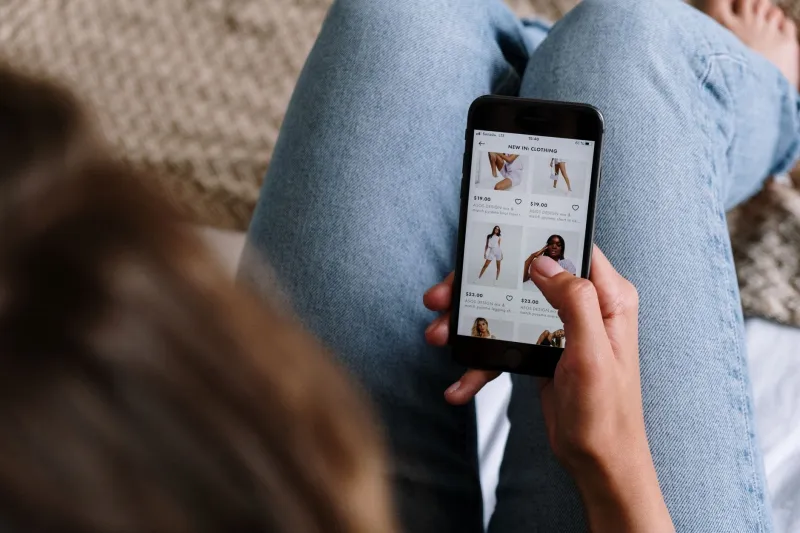
Your Holiday Shopping Spree Followed You Into January — Here's the Receipt

Photo: lienyuan lee, CC BY 3.0, via Wikimedia Commons
By the time the tinsel came down, the average American shopper had handed their email address to a dozen or more retailers. Some did it knowingly — signing up for that '10% off your first order' coupon. Others did it at checkout without a second thought. Either way, the deals ended. The emails didn't.
Here's what actually happened to all those addresses, and the game plan for next year's shopping season that keeps the discounts and dumps the data hangover.
What Retailers Did With Your Address
First, the obvious: every retailer you bought from added you to their marketing list. That's table stakes. But the less visible stuff is where it gets interesting.
Cross-retailer sharing. Some large retail marketing platforms serve multiple brands, and your email can bounce between sister properties. Buy a sweater from one storefront, start hearing from three others you've never shopped.
Price-drop and 'back in stock' programs. These seem helpful, but they're engagement machines. Once you opt in, the retailer has a standing reason to email you weekly — and the fine print usually covers 'related offers' too.
The January re-engagement blitz. Retailers know Q1 is slow, so they fire up win-back campaigns: 'We miss you,' 'Your cart remembers you,' 'Here's 20% to come back.' If you gave a retailer your email in December, expect these through spring.
Data broker enrichment. Purchase history tied to an email address is gold. Brokers piece together your shopping habits across retailers and sell the resulting profile to anyone willing to pay — which is how you end up getting pet product emails six months after buying one dog toy as a gift.
The Pre-Season Game Plan
Next holiday rush, run this playbook instead:
1. Burner emails for coupon sign-ups
That 'save 10% now' popup? It's a trade: your discount for your identity — and often your phone number too. Use a disposable email address for every coupon capture. You get the code, the retailer gets an address you'll delete in a week. Everyone's happy, except the data brokers.
2. One burner per retailer, not one for all
This matters. If you use a single throwaway across every store, you can't tell who leaked or resold it. Separate addresses per retailer means when the spam starts, you know the source — and you know exactly which address to kill.
3. Guest checkout, always
The 'create an account for faster checkout' prompt is another list-building trap. Guest checkout with a disposable email gets you the receipt without the lifetime membership in someone's marketing database.
4. Unsubscribe on your terms, not theirs
For any address that did slip through to your real inbox, unsubscribe — but be aware that some shady senders treat an unsubscribe as confirmation your inbox is live. For the worst offenders, a filter-and-delete rule is safer than engaging at all.
5. Do a January audit
Once the holidays wrap, spend 20 minutes reviewing what landed in each of your shopping burners. If a disposable address is suddenly getting mail from retailers you never gave it to, you've just mapped a resale chain — and confirmed the burner strategy was worth it.
Deal-Hunting Without the Debt (The Data Kind)
The truth is you don't have to choose between saving money and protecting your privacy. Retailers have trained us to believe the email address is the price of admission for a discount. It isn't. A disposable email gets you the same 15% off code, the same flash sale alert, the same free shipping threshold — and then vanishes when the season's over.
Shop hard. Spend wisely. Just don't leave your real inbox as collateral.