Selling Your Old Couch Shouldn't Cost You Your Privacy
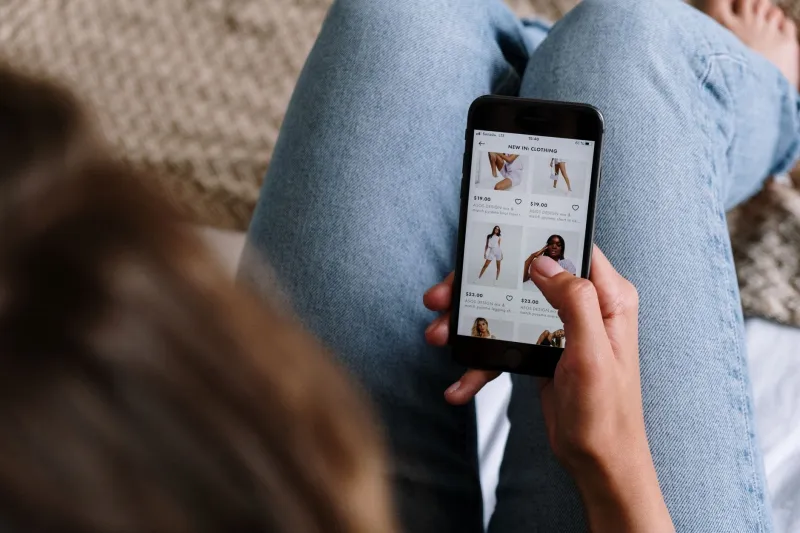
There's something deeply satisfying about offloading a piece of furniture you no longer need and walking away with a few bucks. Marketplace apps have made that process easier than ever. Post a photo, set a price, wait for a text. Done.
Except it's not really done. Because somewhere between "item listed" and "cash in hand," you've probably handed out your real email address to a rotating cast of strangers, bots, and at least one person who was never actually interested in your couch.
The resale economy is booming — and so is the privacy nightmare hiding inside it.
Why Marketplace Platforms Are a Data Harvester's Dream
When you create an account on Facebook Marketplace, OfferUp, or Craigslist, you're not just signing up to sell stuff. You're feeding a system that's hungry for personal identifiers. Your email address sits at the center of all of it.
Here's what most people don't think about: the moment you list an item, your contact information becomes part of a transaction ecosystem that involves people you've never met and can't vet. On Craigslist especially, your email can be exposed directly in reply threads. On other platforms, the apps themselves collect your address and share it with advertising partners under terms most users never read.
But the stranger-danger angle is just as real. Scammers actively scrape marketplace listings to harvest contact details. They cross-reference email addresses with data broker databases, social media profiles, and previous breach dumps. What starts as "is this still available?" can end with a coordinated phishing attempt, a fake payment scam, or worse — someone with enough personal information to make your life genuinely difficult.
And if you've used the same email address for everything — your bank, your Amazon account, your Netflix login — a marketplace exposure isn't just annoying. It's a potential key to your entire digital life.
The Specific Threats Lurking in Buy-and-Sell Apps
Let's get concrete about what you're actually up against.
Email harvesting and broker sales. Platforms like Craigslist have long been targeted by scrapers who collect email addresses from listings and sell them in bulk. Even if you never hear from a scammer directly, your address may end up in marketing lists, spam campaigns, or data broker profiles that follow you for years.
Coordinated scam attempts. There's a well-documented pattern where scammers reach out about a listing, establish a communication thread, then pivot to requesting payment via Zelle, Venmo, or a fake check scheme. Having your real email in the mix makes it easier for them to tie your identity to other accounts and escalate if you don't play along.
Stalking and location inference. If you're listing items from your home, a determined bad actor can sometimes piece together where you live based on your listing patterns, pickup preferences, and the email address tied to your other online accounts. It sounds paranoid until it happens to someone you know.
Price targeting and profiling. Data brokers don't just sell to scammers. They sell to businesses. If your email is tied to a consumer profile that marks you as a high-income household, don't be surprised when "negotiable" suddenly means something different to the person messaging you.
Where Disposable Emails Fit Into This Picture
A burner email address doesn't solve every problem in the resale economy. But it cuts off the most dangerous exposure point: the permanent, identity-linked email address that connects your marketplace activity to the rest of your digital life.
When you use a disposable address for marketplace transactions, a few things happen:
- Scrapers collect an address that leads nowhere and expires.
- Scammers can't cross-reference it against breach databases or social profiles.
- If a conversation turns weird, you can kill the address entirely without changing anything important.
- Your real inbox stays clean and uncontaminated by marketplace spam.
It's a low-effort move with a surprisingly high return on privacy.
A Step-by-Step Guide to Marketplace Transactions With Disposable Emails
Here's how to actually do this without making your buying and selling experience awkward.
Step 1: Generate a disposable address before you list anything. Head to a service like FakeMail Online and grab a temporary address before you start filling out that listing form. Don't wait until after — some platforms capture your email during account creation and that's the one they'll use for correspondence.
Step 2: Use the burner address for your marketplace account, not your real one. If you're creating a new account on OfferUp or Craigslist, register with the disposable address. If you already have an account, consider whether it's worth creating a fresh one for future listings. Yes, it's a small hassle. No, it's not as big a hassle as dealing with a phishing campaign.
Step 3: Keep the disposable address active only as long as the transaction requires. Most marketplace deals wrap up in a few days. Keep the burner address alive long enough to confirm pickup or delivery, then let it expire. If someone reaches out weeks later, that's actually useful information — it suggests the contact isn't about the original transaction.
Step 4: Never migrate to personal contact channels unless you've verified the person. A common social engineering move is to ask to "continue the conversation" over text or personal email because the app is "glitchy." Don't do it. Keep everything in the app or through the disposable address until money and goods have changed hands.
Step 5: For in-person pickups, use a neutral location. This isn't strictly an email tip, but it's part of the same privacy posture. Meet at a coffee shop parking lot or a police department's designated safe exchange zone (many US precincts offer this). Don't invite strangers to your home if you can avoid it, and don't let your pickup address become part of the digital breadcrumb trail tied to your listing.
What About Legitimate Buyers Who Need to Reach You?
Fair question. The disposable address model works best when you're responsive during the active transaction window. Check the inbox associated with your burner address regularly while a deal is in progress. Most legitimate buyers aren't going to need to email you six weeks after the transaction closed.
If you're running a higher volume of sales — say, you flip electronics or furniture regularly — consider maintaining a dedicated "resale" email address that's real but siloed from your primary identity. It's not as airtight as a true disposable, but it keeps marketplace activity from contaminating your main inbox while still giving you continuity.
The Bigger Picture
The resale economy isn't going anywhere. Americans sold an estimated $60 billion worth of secondhand goods in 2023 alone, and that number keeps climbing. More transactions mean more exposure events — more email addresses floating around in systems you don't control, attached to identities you'd rather keep private.
Using a disposable email for marketplace activity isn't about being paranoid. It's about recognizing that the platforms facilitating these transactions have their own interests, and those interests don't always align with yours. A burner address is a small, free, five-minute intervention that closes one of the most common privacy gaps in everyday online life.
Your couch deserves a good home. Your email address deserves better than Craigslist.