Renting an Apartment Is a Data Leak Waiting to Happen
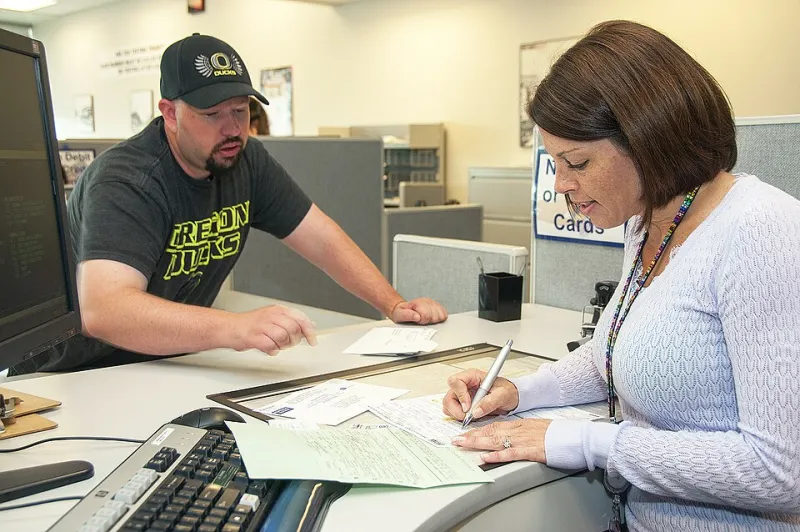
Photo: Oregon Department of Transportation, CC BY 2.0, via Wikimedia Commons
Finding a new place to live is already stressful enough. The open houses, the competing applications, the credit checks—it's a lot. But tucked underneath all of that chaos is something most renters never think about: every step of the apartment search process is quietly harvesting your personal data, starting with your email address.
Landlords, property management companies, and the tenant screening services they rely on are sitting on mountains of applicant information. And a surprising amount of that data doesn't stay locked in a leasing office filing cabinet. It moves—sometimes to data brokers, sometimes to marketers, sometimes to third-party platforms you've never heard of. If you've recently gone apartment hunting and started getting weird spam, that's not a coincidence.
The Funnel Starts Before You Even Apply
Here's something worth knowing: your data collection experience as a renter begins long before you submit a formal application. It starts the moment you contact a landlord or property manager to ask about availability.
Listing platforms like Apartments.com, Zillow Rentals, and similar sites often require you to create an account or submit an inquiry form before you can even schedule a tour. That inquiry form typically captures your name, phone number, and email address. Those details get routed to the property manager—but they also stay on the platform, feeding into user profiles that are used for retargeting ads and, in some cases, shared with affiliated marketing partners.
Even if you're just browsing, the moment you click "Contact Landlord" and type in your email, you've entered the funnel. You might get one response about the apartment. You'll probably also get weeks of follow-up emails, push notifications, and promotional messages from the platform itself.
Tenant Screening Services: The Hidden Third Party
When you actually apply for an apartment, things get more serious. Most landlords—especially those managing multiple units or working through a property management company—use third-party tenant screening services to run background and credit checks. Companies like TransUnion SmartMove, RentSpree, Cozy (now part of Apartments.com), and others process your application data on the landlord's behalf.
These platforms are legitimate and generally necessary. But they also collect a detailed snapshot of your personal life: full name, Social Security number, employment history, rental history, and yes, your email address. Their privacy policies vary widely. Some commit to not selling your data. Others are far more vague about how long they retain your information and who they might share it with down the road.
The problem isn't always malicious intent—it's data sprawl. Once your information exists in a third-party system, you lose visibility into where it goes. A tenant screening company might get acquired. It might update its privacy policy. It might experience a breach. Your email address, tied to your full identity and financial profile, is now out there in ways you didn't anticipate when you were just trying to find a two-bedroom in a decent school district.
Property Management Platforms Love a Good Email List
If you end up renting through a large property management company, your relationship with your email address gets even more complicated. Many of these companies use platforms like AppFolio, Buildium, or Yardi to manage their properties. These systems handle rent payments, maintenance requests, lease renewals—and they also double as marketing tools.
That means your email address isn't just on file for practical purposes. It's in a CRM-style system that can be used to send you promotional messages, upsell services, or—after your lease ends—market other properties in the company's portfolio. Some platforms even integrate with external marketing services, which means your contact information can travel further than you'd expect.
What You Can Actually Do About It
None of this means you should panic or refuse to rent an apartment. But it does mean you should think more strategically about what information you share and when.
Use a disposable email for early-stage inquiries. When you're just browsing listings or sending initial "is this unit still available?" messages, there's no reason to hand over your real email address. A temporary address from a service like FakeMail Online lets you communicate with landlords and receive responses without exposing your primary inbox to platform-level data collection. If the apartment turns out to be a dead end, no harm done—the disposable address absorbs any follow-up spam so you don't have to.
Switch to your real email only when things get serious. Once you've toured a place and you're ready to formally apply, you'll likely need to use a legitimate email address—especially if the landlord or screening service needs to send you identity verification links or application status updates. That's a reasonable tradeoff. The goal isn't to be anonymous throughout the entire process; it's to protect yourself during the exploratory phase when your data is most likely to get swept up unnecessarily.
Read the privacy policy of any screening service you're asked to use. It sounds tedious, but spending five minutes on this can tell you a lot. Look specifically for language about data retention, third-party sharing, and whether you can request deletion of your information after the application process ends. Some services are more transparent than others.
Create a dedicated "housing search" email address. If you're doing a serious apartment hunt and expect to submit multiple applications, consider setting up a separate email address just for that purpose—distinct from both your personal inbox and your work email. This limits the blast radius if any of those platforms start sharing your contact info downstream.
Be skeptical of unsolicited follow-ups. If you start getting emails from companies you don't recognize shortly after applying for apartments, that's a signal that your data moved somewhere. You can unsubscribe, but you can also use it as a data point to figure out which platform was the likely source.
The Bigger Picture
Renting in America is already a high-stakes process. You're competing with other applicants, paying application fees, and handing over sensitive financial documents to people you've often just met. The last thing you need is to also be quietly enrolled in a data ecosystem that treats your contact information as a commodity.
The good news is that a little bit of intentional friction—using a disposable email for early inquiries, reading the fine print on screening services, keeping your real inbox out of the picture until it's actually necessary—goes a long way. You don't have to choose between finding a great apartment and protecting your privacy. With the right habits, you can do both.
Your lease shouldn't come with a lifetime subscription to spam.