The Dealership Met You Before the Test Drive — And It Already Had Your Email
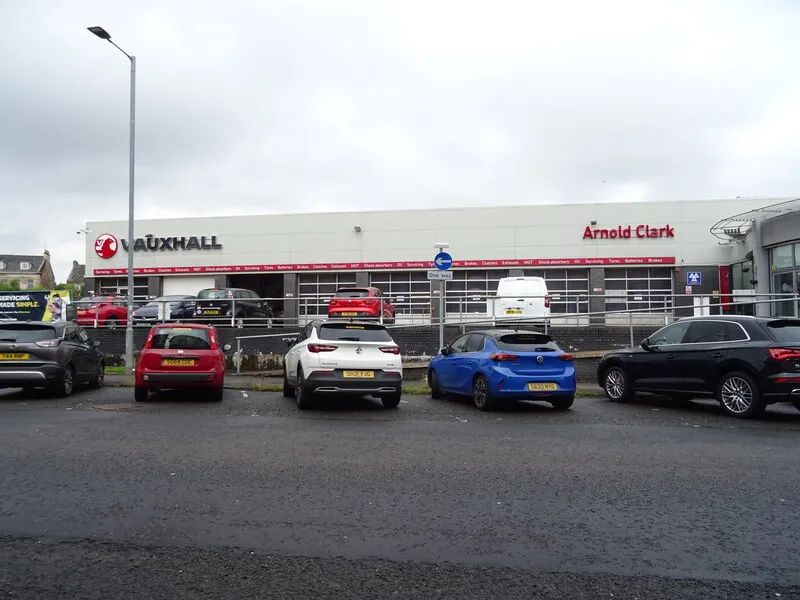
Photo: JThomas, CC BY-SA 2.0, via Wikimedia Commons
Car shopping in the US has a new first step, and it is not the lot. It is a form. You pick a model, type a ZIP code, and the dealership website asks for your name, phone, and email before it will show you the good stuff. That form is not a courtesy. It is the opening move in a lead-management pipeline that can follow you long after you decide the paint color is wrong.
The Lead Form Is the Real Trade-In
Dealership websites are built to capture contact details. Inventory pages, value-your-trade widgets, financing pre-qualification tools, and chat pop-ups all feed the same place: a customer relationship management system, or CRM. The CRM is the dealership's memory. It stores your inquiry, your vehicle interests, your credit pre-qualification status, and every email you open.
None of this is secret. Dealers are businesses, and following up with leads is normal. The problem is the scale and the handoffs. A single form can create records in the dealer's CRM, in a third-party lead marketplace, and in the financing partner's system. Each handoff is another copy of your address.
From CRM to Data Broker in Three Hops
The first hop is usually a lead provider. Many dealership websites run forms powered by vendors that sell or route leads to multiple dealers. The second hop is the CRM enrichment layer, where third-party services append household data, vehicle history, and marketing segments to your record. The third hop is the audience network: your email gets hashed and matched against social platforms and display ad exchanges so the dealership can retarget you.
You do not need to be paranoid to find this annoying. You need to have ever checked your inbox after browsing SUVs. The just-checking-in email arrives before you have picked a color. Then comes the trade-in estimate reminder, the end-of-month sales event, and the survey about your visit that you never made.
The Test Drive Is the Least of It
The showroom visit is only the visible part. Sales staff log notes in the CRM after every call and visit. Email tracking pixels report when you open a message and which link you click. Appointment reminders go out automatically. If you finance through the dealer, the file gets deeper. If you walk away, the lead may stay in a nurture campaign for years.
That is why the first email address matters so much. It becomes the key that ties your browsing, your quote request, your trade-in estimate, and your service reminders into one consumer profile. The dealership may not sell that profile outright, but it can share it with affiliates and marketing partners under the broad consent language buried in the form.
Why Just-Checking-In Never Stops
Dealership follow-up sequences are automated. A lead enters a cadence: day one, day three, day seven, day thirty. If you reply, you become a live lead and get more attention. If you ignore it, you get re-enrolled in a quarterly nurture campaign. If you unsubscribe, you may still get emails from a different dealership group that bought the same lead. That is the catch: consent is often collected once and reused across affiliated entities.
The credit pre-qualification step adds another layer. Pre-qualification is not a full application, but it still collects sensitive information and creates a record. Even if you never buy, the dealership may keep the lead for years.
Where a Burner Address Fits
A disposable email address is not a magic shield. The dealership still needs a way to send you the quote, the financing terms, and the appointment confirmation. But you can split the thread. Use a burner address for the initial form, the price quote, and the inventory alerts. If you get serious about a specific vehicle, move the conversation to a dedicated alias that forwards to your real inbox. That keeps the sales cadence contained.
This is the practical middle ground. You do not have to lie. You just have to decide which address gets the marketing drip and which address gets the purchase paperwork. When the deal is done, you can retire the burner and keep the alias for service reminders.
The Deal Still Needs a Real Thread
A disposable address will not stop a determined dealer from asking for your phone number, and it will not erase the credit inquiry if you authorize one. It will, however, keep the lead-gen machinery from attaching your primary inbox to every test drive, trade-in estimate, and we-miss-you campaign for the next three years.
The next time a dealership asks for your email before it shows you a window sticker, ask yourself which address you want in that CRM. The answer is probably not the one you use for your bank.